Education, education, education ...
· PLD Türkiye
Automatically translated from Turkish. Read the original
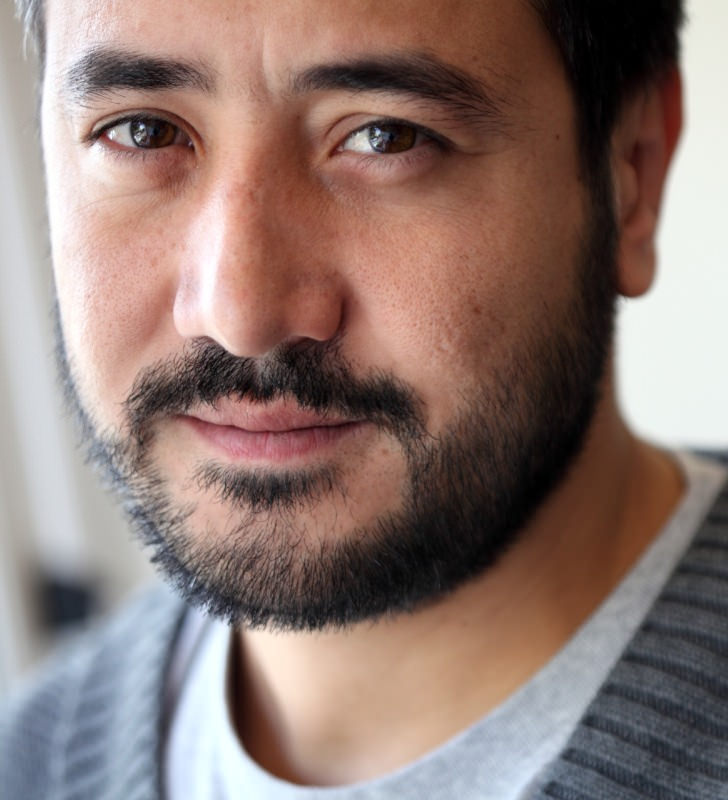 Being the editor of a magazine that publishes on a new and developing concept such as architectural lighting design has its responsibilities as well as certain advantages.
We are in an industry with a limited ability to come together, to organise and to share knowledge. That being so, the number of times we become a bridge between people is quite high.
People who know me know that I take care to be easy to reach. I have to answer different questions, from the wishes for higher study of students who are interested in light, newly graduated or about to be, and from their requests for work, to requests for information from people in other professions, such as architects and electrical engineers, who have somehow heard of the lighting designer, and on to experienced people in the industry looking for staff. As far as I can, I try to answer every question in the shortest time and to help. Frankly, I take great pleasure in this too.
This process matters as much for seeing the trends of a period as for witnessing the industry's development. Especially since the start of this year, there has been a visible rise, across the industry, in the search for staff. Among the phone calls I get every week there is a serious rise in the number of industry representatives who mention a need for staff. On a very simple reading, we can say that the effects of the crisis have passed, and that there is an important stirring in the lighting market of Türkiye, especially with the projects in the Turkic republics. As I had said in my earlier pieces too, I have trouble understanding the British and American lighting designers who are active in the region around us. It is very clear that we could serve these regions better. This is not only a matter of logistics. Culturally, we are closer too. Anyway, our subject is the need for staff...
So how will we meet this need? As things stand, unless they joined one of the master's programmes that are few in number even abroad, a great majority of the professionals in the industry came from another profession, entered the field either by chance or because they took an interest in lighting, and became seasoned by working. As the need for trained staff grows, it is clear that this system will fail, and that it is about to. We need a qualified workforce that is ready to work when it leaves school.
Today, in Türkiye, it is impossible to study lighting design as a subject in its own right. One can speak of lighting modules folded into Building Physics programmes, or of the short (one-week) “lighting technique seminar” run by the Building Physics Specialisation Institute (YFU), but what I imagine is a little beyond these. A programme dedicated only to “Lighting Design”. Is it possible? As someone who has dreamed of it for a long time, I think it is. I hope we can share good news soon.
Stay with the light until our next issue…
Emre Güneş
Professional Lighting Design Türkiye